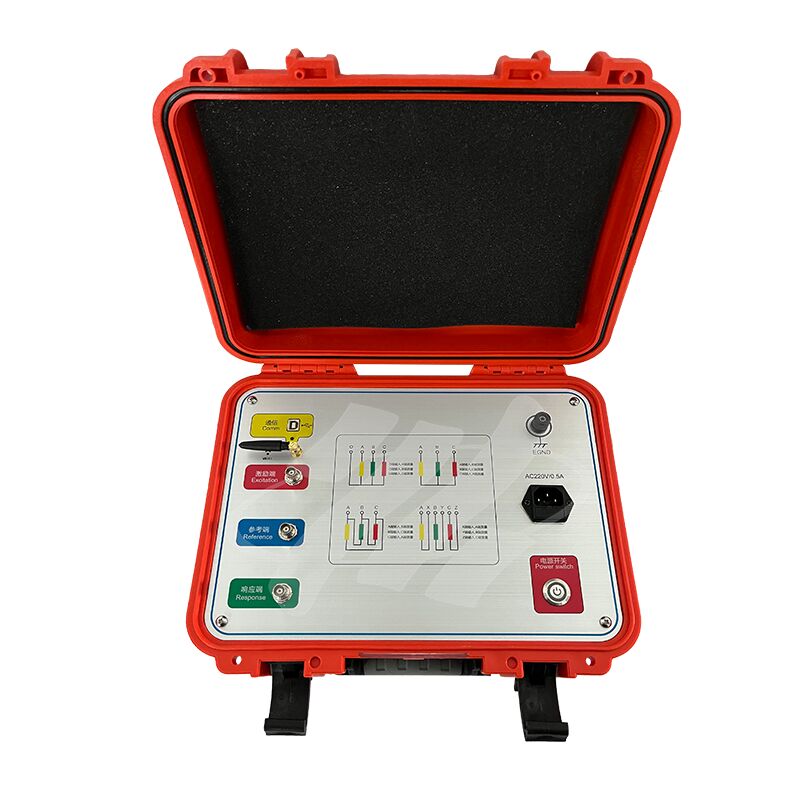
XHBX1501
Ürün Genel Görünümü
Bir transformatörün tasarımı ve üretimi tamamlandıktan sonra, bobinleri ve iç yapısı sabitlenir.Aynı voltaj sınıfına ve sarma yöntemine sahip bobinlerin kesin parametreleri olacaktır (CiBu, üç fazlı bobinlerin frekans spektrumlarının karşılaştırılabilir olduğu anlamına gelir.
Test sırasında kesinti veya faz-faza kısa devre, nakliye sırasında çarpmalar (kolonun yer değiştirmesine neden olmak),veya kısa devre / arıza işleyişi sırasında elektromanyetik kuvvetlerden dolayı bobin deformasyonu, transformatör sargılarının dağıtılmış parametrelerini değiştirecektirBu, frekans tepkilerindeki amplituda değişiklikleri ve rezonans frekansı kaymaları gibi orijinal frekans alanı özelliklerini daha da değiştirir.Yanıt analizi yöntemlerine dayanarak geliştirilmiştir., iç transformatör hataları için yenilikçi yıkıcı olmayan bir test cihazıdır. 63kV'den 500kV'ye kadar olan güç transformatörlerinde iç yapısal hataları tespit etmek için uygundur.
Bu tester, farklı frekans alanlarında transformatör sarma parametrelerinin yanıt değişikliklerini ölçer.Parametreler değişim büyüklüğünü analiz ederek iç sargı deformasyon derecesini belirler, frekans tepkisi değişimlerinin amplitudu/bölgesi ve bu değişimlerin eğilimi.Bu, kullanıcıların, transformatörün ciddi hasar alıp almadığını ve ölçüm sonuçlarına dayanarak genel onarım gerektirdiğini değerlendirmelerine olanak tanır..
Çalışan transformatörler için, arızalı bobinlerin karakteristik spektrumlarını, tarihsel frekans alanı karakteristik verisi olmadan bile karşılaştırarak hata ağırlığının değerlendirilebilir.Orijinal sarma özellikleri verilerine sahip olmak, transformatör işlevini değerlendirmek için daha doğru ve güvenilir bir destek sağlar, hata sonrası analiz ve bakım.
Transformer Winding Tester, bir dizüstü bilgisayar ve tek çipli bir mikrobilgisayardan oluşan yüksek hassasiyetli bir ölçüm sistemine sahiptir.ve kapsamlı test/analiz işlevleriKullanıcılar kullanma kılavuzuna başvurduktan sonra veya kısa süreli eğitimden sonra bağımsız olarak kullanabilirler.
Teknik parametreler
| Tarama Yöntemi |
Doğrusal Tarama Dağıtımı |
| Tarama frekansı ölçüm aralığı |
(0.5kHz) - ((1MHz), 2000 tarama noktası |
| Amplituda ölçüm aralığı |
(-120dB) ila (+20dB) |
| Amplituda ölçüm doğruluğu |
0.1dB |
| Tarama frekansı doğruluğu |
0.005% |
| Sinyal giriş impedansı |
1MΩ |

Uygulama Alanları:
* Güç sistemleri: güç üretimi, iletim, dönüşüm ve dağıtım;
* Fabrikalar ve madenler: büyük ölçekli üretim tesisleri ve çeşitli madencilik şirketleri;
* Metalürji ve petrokimya: erime, kimyasal endüstri, su arıtma vb.
* Ulaştırma: limanlar/demiryolları/otoyolları/havaalanları ve belediye sokak aydınlatması vb.;
* Şirketler ve kurumlar: büyük şirketlerin ve kurumların lojistik departmanları;
* İnşaat endüstrisi: büyük inşaat ve emlak yönetimi şirketleri;
* Elektrik ekipmanlarının kurulumu ve test edilmesi: çeşitli seviyelerde elektrik kurulum ve işletme şirketleri;


 Mesajınız 20-3.000 karakter arasında olmalıdır!
 english
 français
 Deutsch
 Italiano
 Русский
 Español
 português
 Nederlandse
 ελληνικά
 日本語
日本語
 한국
한국
 العربية
 हिन्दी
 Türkçe
 indonesia
 tiếng Việt
 ไทย
ไทย
 বাংলা
বাংলা
 فارسی
فارسی
 polski